

When Your Pet Loses Their Fur: Finding Real Answers About Hair Loss
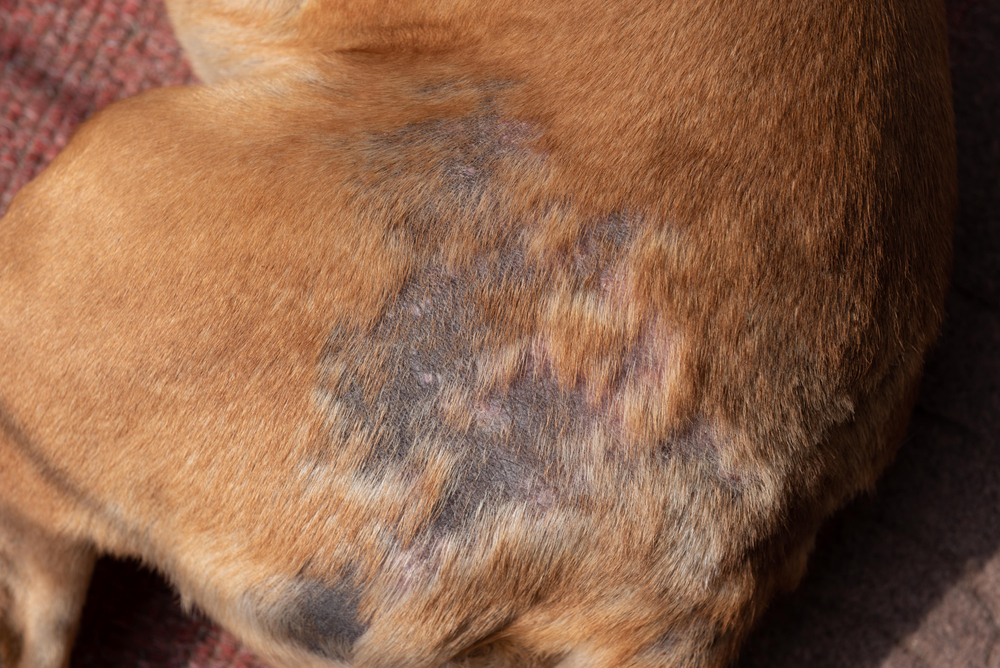
You brush your dog’s coat and notice more fur coming out than usual. Your cat’s ear hair looks thin and less fluffy than before. Or maybe it’s more obvious: a giant bald spot on the flank that was not there last week. Hair loss in pets, medically called alopecia, can happen for many different reasons. Some causes are skin-related, while others stem from problems deep inside the body. The question we hear most often is simple: why is my pet losing their hair, and what can we actually do about it?
At The Animal Medical Hospital of Naples, we understand how concerning it is to see your pet’s coat changing. Hair loss is often a signal that something needs attention, and our job is to listen carefully, examine gently, and find the real cause. Through comprehensive veterinary care and thoughtful diagnostics, we help you understand whether your pet’s alopecia is dermatologic (skin-based) or endocrine (hormone-related). Once we know what we’re dealing with, we work with you to create a plan that fits your pet’s needs. Whether you’re a year-round Naples resident or a seasonal visitor, let us know if your pet’s coat is changing. We’re here to help.
Normal Shedding vs. Alopecia: Knowing the Difference
Alopecia is the medical term for abnormal hair loss. It is a symptom pointing toward something else, not a diagnosis on its own.
In Naples’s year-round warmth, pets do not have the pronounced seasonal shed cycles seen in northern climates, which makes changes in coat density more noticeable when they do occur. Normal shedding is diffuse, the coat still looks full, and the skin beneath is healthy. Alopecia is different:
- Actual bald patches or localized thinning where skin is visible
- Hair loss that started in one area and has spread
- Redness, scaling, thickening, or crusting on the skin beneath
- Hair that grows back with a different texture, color, or has not grown back
- Focused scratching, licking, or chewing concentrated in specific areas
- Coat changes alongside other symptoms like weight change, lethargy, or increased thirst
Any of these warrants a wellness evaluation rather than watchful waiting.
Allergies: The Most Common Driver of Itch-Driven Hair Loss
Triggers fall into three main categories: environmental allergens like pollen, grasses, mold, and dust mites; food proteins including chicken, beef, dairy, and wheat; and flea saliva, where even a single bite can set off an allergic dog or cat. Teasing apart which category is driving the problem is part of what a proper workup accomplishes.
Atopic dermatitis occurs when the immune system overreacts to environmental allergens. In coastal Southwest Florida, year-round mold exposure, high humidity, grass pollens, and dust mites create a sustained allergen environment without the cold-weather reset that northern climates provide. Many allergic pets in Naples struggle throughout the year rather than having a defined allergy season, and the flare-improve-flare rhythm becomes all too familiar.
Allergies in dogs typically concentrate at the paws, face, armpits, groin, and belly. Cats tend to overgroom or scratch around their head and neck. Flea allergy in cats and dogs produces intense itching at the tail base, rump, and inner thighs, and fleas are often absent because your pet is grooming them away entirely.
Parasites and Skin Infections
Even well-cared-for pets can acquire parasites, and the Naples environment supports year-round flea, tick, and mite activity.
- Demodex mites: patchy facial and paw hair loss, more common in puppies or pets with reduced immunity; not contagious
- Sarcoptic mange: intensely itchy, contagious to people and other pets, causes crusting at ears, elbows, and belly
- Ringworm: a fungal infection (despite the name, no worm is involved) causing circular bald patches with scaling; transmissible to people; confirmed by fungal culture
- Fleas: even if your pet isn’t allergic to fleas, they can cause intense itching resulting in hair loss
Bacterial and yeast infections often piggyback on already inflamed skin. When the skin barrier is disrupted by allergies or parasites, the normal surface organisms overgrow and create a self-sustaining cycle of itch, damage, and thinning. Treating the surface infection and addressing the underlying trigger at the same time is what breaks the cycle.
Year-round parasite prevention is essential in Southwest Florida, where outdoor exposure means consistent parasite pressure. Our vaccination visits include parasite prevention guidance tailored to your pet’s lifestyle.
Hormonal Causes of Hair Loss
When hair loss is symmetrical, both sides of the body affected in the same pattern, and your pet does not appear particularly itchy, hormones are often the underlying cause.
Hypothyroidism in dogs: Hypothyroidism produces weight gain, low energy, cold sensitivity, and a dull, thinning coat that develops so gradually it can be mistaken for normal aging. A thyroid panel confirms the diagnosis, and daily supplementation resolves it.
Cushing’s disease in dogs: Cushing’s disease produces a pot-bellied appearance, increased thirst and urination, panting, thin skin, and symmetrical hair loss.
Hyperthyroidism in cats: Feline hyperthyroidism causes weight loss despite a ravenous appetite, restlessness, and a rough, unkempt coat in older cats.
Sex hormone imbalances: Testicular tumors in intact males can cause symmetrical coat changes. Intact females may develop similar changes from hormonal fluctuation. Spaying or neutering often resolves these cases.
Topical hormone exposure: Pets can absorb hormones through skin contact or by licking application sites when people in the household use hormone replacement creams. Estrogen or testosterone cream transferred from a person’s arm or belly can produce symmetrical hair loss that mimics endocrine disease. Covering application sites, thorough handwashing, and keeping pets away from recently applied skin prevent exposure. The coat typically recovers once contact stops.
Routine bloodwork during wellness visits establishes the baseline thyroid and metabolic values that make early hormonal shifts detectable, often before any visible coat change develops.
Breed-Related and Stress-Related Hair Loss
Some pets inherit coat conditions that cannot be cured but can be managed:
- Color dilution alopecia: occurs in dogs with diluted coat colors, such as Dobermans, Weimaraners, and Italian Greyhounds
- Flank alopecia: seasonal, recurring bald patches on the sides; Boxers, Bulldogs, and Airedales predisposed
- Sebaceous adenitis: destroys oil glands; Standard Poodles predisposed
- Zinc-responsive dermatosis: crusting and hair loss around the face in Nordic breeds like Huskies and Malamutes
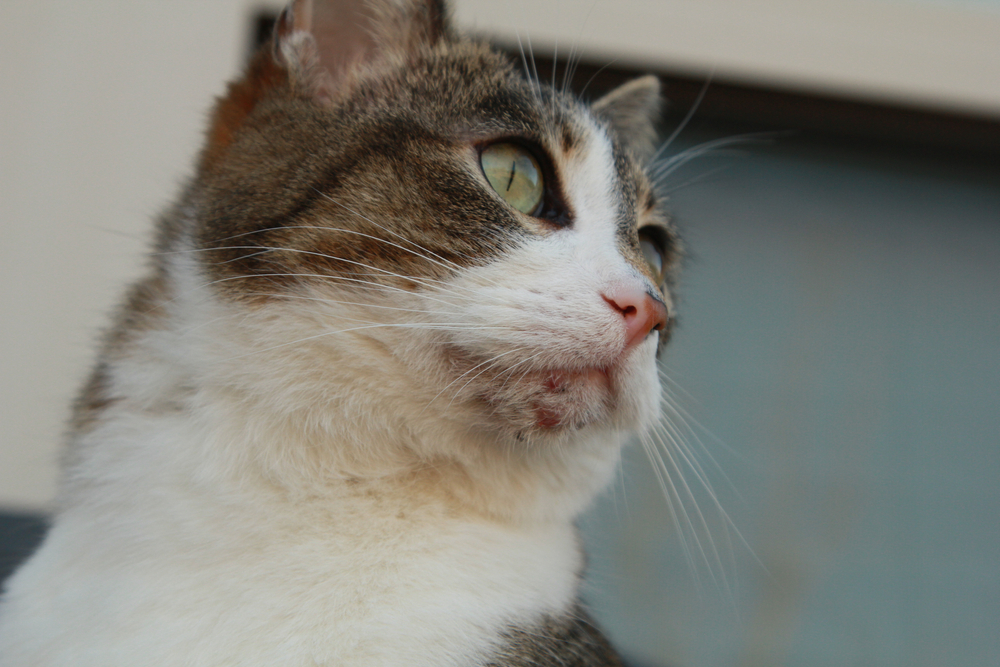
Psychogenic alopecia from stress in cats presents as smooth, symmetric thinning with normal-looking skin beneath: the hair is removed through grooming rather than falling out. Feline life stressors including household changes or the transitions that seasonal visitors bring to their pets’ routines can trigger overgrooming. Dogs show a similar pattern through repetitive licking of one spot, which can develop into a lick granuloma that thickens the skin and thins the hair over time.
Pain is another commonly overlooked driver of overgrooming. A cat with feline idiopathic cystitis may lick the lower belly bald, and a dog with osteoarthritis may obsessively lick a sore joint. Stress-driven and pain-driven grooming can look identical on the surface, which is why diagnostics matter in telling them apart.
Nutrition and Grooming: Supporting the Skin
The skin and coat reflect nutritional status early. Protein, essential fatty acids, zinc, and biotin are all necessary for normal hair growth. When your pet’s diet does not match their individual needs, the coat may show it before other symptoms develop.
Regular grooming distributes natural oils, removes environmental debris (particularly important in Naples where outdoor exposure brings pollen and coastal moisture into the coat), and gives you the chance to notice early changes yourself. Gentle, appropriate bathing with veterinary-formulated products removes allergens without stripping the natural skin barrier.
Overbathing or using products not designed for pets can worsen skin dryness and fragility, increasing vulnerability to both allergens and secondary infection. Our team can advise on appropriate bathing frequency for your pet’s specific skin type and health status.
The Diagnostic Process
Our approach:
- History: when it started, whether your pet is itchy, any household or routine changes, known allergen or parasite exposures
- Exam and pattern mapping: location and distribution, skin texture and condition, presence of secondary infection
- Skin scrapings and trichography: detect mites and hair shaft abnormalities under the microscope
- Cytology: identifies bacterial or yeast involvement
- Fungal culture: when ringworm is suspected; takes 7 to 14 days for a reliable result
- Bloodwork and endocrine panels: when symmetrical, low-itch hair loss points toward hormonal causes
- Elimination diet trials: when food allergy is suspected; 8 to 12 weeks of strict adherence required
How Hair Loss Is Treated
Treatment always matches the diagnosis, which is why the workup comes first. Once we know what is driving the problem, the plan follows one of the paths below.
| Cause | Treatment Approach |
| Allergies | Anti-itch medications, medicated topicals, omega-3 support, diet changes when food is involved, immunotherapy for select cases |
| Parasites | Prescription preventives, environmental cleaning, targeted treatments for mites or ringworm |
| Bacterial or yeast infection | Antibiotics or antifungal therapy guided by cytology and culture |
| Hormonal conditions | Thyroid supplementation, Cushing’s protocols, or surgery with regular blood monitoring |
| Stress-related grooming | Environmental enrichment, behavior modification, calming support |
| Nutritional gaps | Diet improvements, omega supplementation, grooming adjustments |
For ongoing skin support, our pharmacy carries a variety of products to help:
- Epi-Soothe Shampoo, Aloe & Oatmeal Shampoo and Conditioner, DermAllay Oatmeal Shampoo and Spray Conditioner are all great for sensitive skin needing gentle, anti-itch support.
- DOUXO S3 CALM Shampoo and Mousse and Relief Shampoo and Relief Spray are great for extra-itchy or reactive skin.
- Dog omega-3s and cat omega-3s reduce underlying inflammation systemically and improve skin health which can reduce allergic responses over time. Dermoscent Essential 6 Spot-On provides essential fatty acid support topically.
- Dog skin and coat diets and cat skin and coat diets are also available for skin health from the inside-out.
For prescription allergy management, Apoquel, Zenrelia, and Atopica are available through our pharmacy. Cytopoint injectable therapy blocks the itch signal for four to eight weeks per dose.
Follow-up rechecks matter as much as the initial plan. Hair regrowth takes anywhere from a few weeks to several months depending on the cause, and staying in touch lets us fine-tune medications, catch secondary issues early, and confirm your pet is improving on schedule.
Frequently Asked Questions
How quickly will my pet’s hair grow back?
Parasite-related alopecia typically improves in four to six weeks with treatment. Hormonal conditions may take three to six months for visible coat regrowth after starting medication. Breed-related conditions may not fully regrow but improve with supportive management.
Can food cause hair loss?
Yes. Food allergies most often show up as itching and hair loss around the face, ears, paws, and rear end. Diagnosing them requires an 8 to 12 week strict elimination diet using a prescription hydrolyzed or novel-protein food, not just switching brands at the store.
Can my pet’s hair loss spread to me?
Most causes are not contagious. Ringworm and sarcoptic mange are exceptions: both can transmit to people. Prompt veterinary treatment and careful handwashing protect the household.
My pet seems fine otherwise. Should I still bring them in?
Yes. Hormonal causes in particular can produce significant coat changes before any other symptoms develop. Earlier investigation means more options and faster relief.
Finding Real Answers Together
Hair loss that worsens without explanation deserves investigation, not guessing. Most cases improve significantly once the cause is identified, whether your pet is scratching, quietly overgrooming, or showing symmetrical thinning. There is a clear path forward in nearly every case.
At The Animal Medical Hospital of Naples, we bring genuine empathy and careful attention to every patient, because your pet’s comfort matters, and because the right diagnosis is what makes the right treatment possible. Reach out to schedule a coat and skin evaluation. Our team will take the time to find the real answer.


Leave A Comment