

The Traveling Pet Checklist: From Vet Visits to Airline Regulations
Air travel with pets means juggling airline policies, health certificates, and prep that keeps your pet safe and calm. Each airline sets its own rules for breeds, carriers, temperatures, and fees. Health certificates require a timely veterinary exam, and some destinations add testing or extra paperwork. International trips can also include quarantine or country-specific steps. With the right plan, it all becomes manageable. With the wrong plan, it can be a disaster.
The Animal Medical Hospital of Naples helps families prepare with health exams, vaccination services, and microchip guidance for international standards. Our veterinary care team walks you through timelines, airline expectations, and simple ways to reduce stress, from carrier training to hydration. Florida’s travel hub status means we regularly navigate both domestic and international requirements. Contact us to review your travel plans and schedule what you need.
What You Need to Know About Health Certificates
Why does my pet need a health certificate?
A health certificate, or Certificate of Veterinary Inspection, confirms a licensed veterinarian examined your pet and found them healthy to travel. It helps protect animal and public health by preventing the spread of disease. Requirements vary by destination, airline, and travel type, so check early.
Airlines often require a certificate even if the destination does not. It confirms your pet is free from contagious illness and safe to travel. Pet travel requirements vary widely, and some countries also need USDA endorsement, which adds processing time.
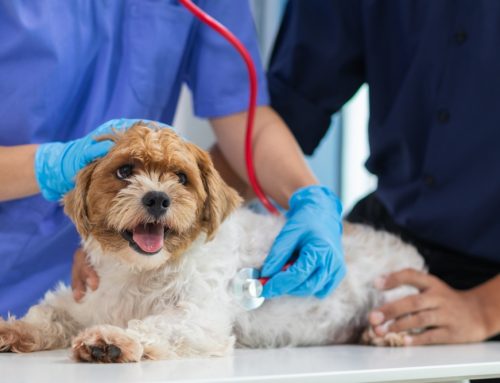
At our Naples facility, we complete travel exams daily and assist with obtaining necessary forms and testing for flying with pets. For USDA Health Certificates, we perform a physical exam, fecal flotation, and deworming as required, and we also prepare Airline Flight Certificates and Veterinary Health forms to ensure your documents match the rules for your route and airline.
When should I schedule the travel exam?
For domestic trips, schedule within the usual window of about 10 days before departure. International timelines can be tighter, sometimes 72 hours. Book your initial planning visit 4 to 6 weeks in advance to handle vaccines, treatments, and any approvals.
Key steps:
- Schedule at least one month ahead for domestic travel
- Contact us as far in advance as possible for international travel, as some destinations can take many months (or even years!) of preparation
- Verify destination rules via official sources
- Find your local USDA office for endorsement of international travel certificates
- Confirm all vaccine timing, especially rabies
- Keep extra copies of medical records with you
Our wellness care visits include a travel-readiness exam and medication planning.
What if I’m not traveling with my pet, or shipping my pet?
When pets are shipped without traveling alongside their owner, the process becomes significantly more complex. Airlines, cargo handlers, and destination authorities often apply stricter requirements, including specific timelines, endorsements, and documentation standards for health certificates. Coordination must account for third parties receiving the pet, customs clearance procedures, and potential layovers that can affect certificate validity. Even small errors or delays can result in denied transport or quarantine, making careful planning and veterinary oversight essential.
Traveling Within the United States
Do all states require health certificates?
Requirements differ by state. Some require a certificate for entry; others do not. Airlines may still require one for cabin or checked travel. Check your destination state’s animal health site and your airline’s rules before booking.
Driving can be simpler for short trips, especially if airline or state rules are complex. Always:
- Check the state’s animal health website
- Confirm airline rules for in-cabin and checked pets
- Note seasonal changes to policies
- Consider road travel if documentation gets complicated
What makes Hawaii different?
Hawaii is rabies-free and has the strictest rules. Expect microchipping, multiple rabies vaccinations, a rabies titer (a blood test showing immunity), waiting periods, and tight deadlines. Missing a step can mean quarantine for up to 120 days.
Hawaii pet import requirements are complex, so start at least four months ahead. Steps typically include:
- ISO-compliant microchip
- Rabies vaccinations after Rabies vaccines given before a microchip “don’t count”.
- Rabies titer at least 120 days before arrival- these can take significant time to receive results, and if your pet doesn’t pass, you’ll need to re-vaccinate and titer again.
- Timed parasite treatments and paperwork
We regularly help families with Hawaii timelines, titer testing, and document submission so nothing is missed.
Preparing for International Travel
How do I find out what another country requires?
Each country sets its own rules. Common requirements include rabies vaccination, microchipping, timed parasite treatments, possible blood tests, and sometimes quarantine. Policies can change, so plan early. Island countries have notoriously strict requirements (and some even reserve the right to euthanize your pet if they don’t meet requirements!). If you don’t have to take your pet on vacation with you, consider boarding them instead.
Start researching international pet travel at least six months before departure. Contact the destination’s embassy or consulate for the most current rules. Some countries have breed restrictions. If you’re returning to the U.S., confirm re-entry requirements during your planning.
We help map out timelines, flag potential issues, and coordinate steps so you stay on track. Our state-of-the-art diagnostic capabilities allow us to quickly complete required testing and ensure all documentation is accurate and complete.
What about traveling to Canada or Mexico?
Canada and Mexico have specific but manageable rules. Both require current rabies vaccination and a health certificate, with slightly different timing. Pet travel to Canada requires proof of rabies within the past three years and a health certificate typically within 30 days. Pet travel to Mexico requires rabies vaccination, health certificate, and sometimes parasite documentation.
Incomplete paperwork can cause delays or denial at the border. We handle cross-border certificates regularly to keep your trip running smoothly. Every border agent you encounter may be a little different; some are going to be stricter than others and look over every detail in your paperwork, while others may just wave you through. Always err on the side of caution.
Understanding Airline Policies
What are the rules for flying with pets?
Airlines set limits for pet size and weight, carrier dimensions, breeds, seasonal temperatures, and fees. Small pets that fit under the seat can travel in-cabin. Medium pets may fly as checked baggage in temperature-controlled areas. Large pets usually travel as cargo with separate bookings. Some airlines won’t accept brachycephalic pets like Frenchies or Pugs, so make sure you do your research.
Read airline rules before you buy tickets. Many carriers follow IATA pet travel standards, but each airline interprets them differently. Airline travel with pets requires careful planning, and cabin pet spots are limited, so reserve as soon as you book.
Consider:
- Carrier size and ventilation must match airline specs exactly
- Short-nosed breeds may face restrictions
- Choose direct flights to reduce stress and missed connections
- Prepare for security screening where your pet exits the carrier briefly
- Watch for temperature embargoes in hot months
Our team reviews airline-specific considerations and helps you choose the safest plan for your pet.
How do I get my pet comfortable with their carrier?
Pick an airline-approved carrier with good airflow, secure closures, and enough space for your pet to stand, turn, and lie down. Then make it a happy place.
Try this one-month plan:
- Leave the carrier open in a common area
- Feed meals inside to build positive associations
- Add soft bedding and a familiar toy
- Close the door briefly during calm moments, then lengthen the time
- Take short car rides to build confidence
- Never use the carrier as punishment
Avoid sedation unless your veterinarian specifically recommends it. Sedatives can affect balance and breathing at altitude. Most pets do best when alert and able to adjust.
Getting Ready for Travel Day
Health Considerations When Traveling With Pets
Before hitting the road or boarding a plane, it’s important to consider how travel may affect pets with existing health conditions. Pets with heart disease may struggle with the physical demands of travel, altitude changes, or temperature fluctuations, and should be evaluated before any trip. Brachycephalic breeds and pets with respiratory conditions face heightened risk of respiratory distress during air travel or in warm, humid environments. Stress-sensitive conditions like diabetes and Addison’s disease can be destabilized by travel anxiety, schedule disruptions, and changes in routine, so extra monitoring and medication adjustments may be necessary.
Beyond managing existing conditions, consider what health risks await at your destination. Different regions expose pets to parasites or diseases they may not encounter at home. A pre-travel consultation allows us to review your pet’s health status, update preventives for your destination, and ensure you have medications and documentation ready for a safe journey.
What should the pre-travel exam cover?
A pre-travel exam checks that your pet can safely handle the trip, confirms preventive care, and reviews any chronic issues. We focus on heart and breathing health, travel stress, motion sickness, and practical plans for medication timing. You’ll also get advice tailored to your destination and travel method. Traveling safely with pets requires thorough preparation.
Even if a certificate isn’t required, the exam can catch problems early. Update ID tags and confirm your microchip registration has current contact info. We’ll help you choose the right calming strategies based on your pet’s personality. Our new pet appointments last about an hour, giving us time to thoroughly assess health and address all your travel concerns.
What should I pack for my pet?
Build a pet travel kit a few days before you leave. Include:
- Health certificates and vaccine records in a waterproof folder- with extra copies
- Enough food and medications for the trip plus three extra days
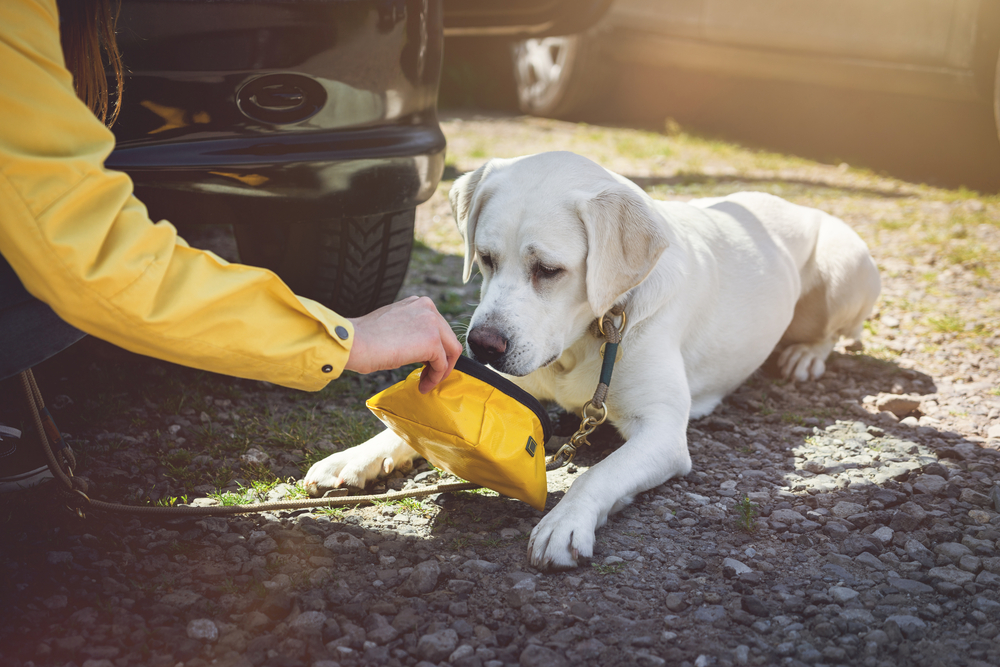
- Collapsible bowls and water from home
- Waste bags and cleaning supplies
- Leash, secure harness, and backup collar with ID tags
- A familiar blanket or toy
- Recent photos of your pet in case you need to verify identity
- Contact details for emergency veterinary care at your destination
Feed a light meal 3 to 4 hours before you go to reduce nausea and allow time for a bathroom break. Keep meds in original containers with labels, and store all documents in your carry-on for easy access.
On travel day, stay calm and stick to your routine as much as possible. Give your dog a good walk before leaving. Plan for bathroom breaks during layovers and watch for signs of stress like heavy panting, drooling, or trembling.
Settling Into Your Destination
New places can be exciting and overwhelming. Keep routines steady, offer a quiet space to unwind, and introduce your pet to new surroundings gradually.
Safety first:
- Keep pets leashed or secured until you’ve checked the area
- Maintain feeding and exercise times similar to home
- Watch for stress signals like hiding, pacing, or changes in appetite or bathroom habits
Look up local pet laws before you arrive. Save the nearest emergency vet contact in your phone. Some travel-related issues show up days later, so keep an eye on your pet even after you’ve settled in. For snow bird pet owners visiting Naples, we collaborate with your primary veterinarian to ensure continuous care during your Florida stay.
FAQs: Quick Answers for Pet Travel
Do I always need a health certificate?
Often yes, especially for airlines. Even if a state doesn’t require it, the airline probably will. Check both to be safe.
How early should I begin planning?
Start 4 to 6 weeks ahead for domestic trips and at least 4 to 6 months for international, Hawaii, or routes needing USDA endorsement.
Can my pet fly in the cabin?
It depends on size, carrier dimensions, and airline rules. Reserve your pet’s spot as soon as you book your ticket.
Is sedation recommended?
Typically no, unless your veterinarian advises it. Sedation can be risky at altitude.
What if my paperwork is incomplete?
You may face delays, denial of boarding or entry, or quarantine. Double-check requirements with official sources and your vet team.
Your Partner in Confident Pet Travel
With the right plan, pet travel can be smooth and safe. Early prep, accurate documents, and a calm, well-practiced carrier routine make all the difference. Our team at The Animal Medical Hospital of Naples is here to answer questions, provide health certificates, and ensure your pet is truly ready for the journey. If you’re unsure about requirements or your pet’s readiness, contact us so we can help you make a clear, stress-free plan.