

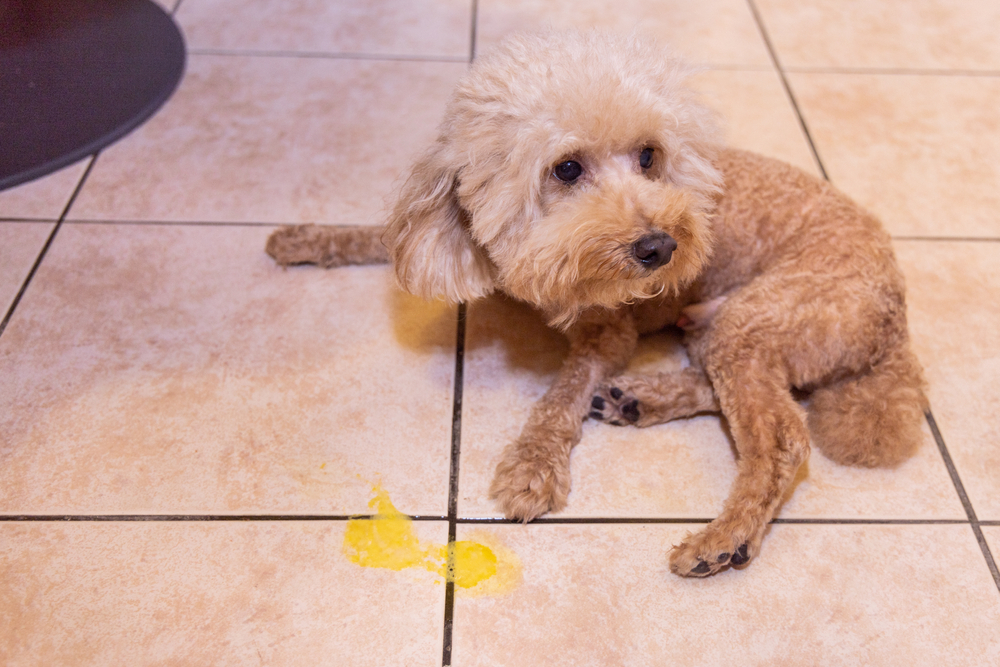
Vomiting for Weeks? A Step-by-Step Guide to Finding the Cause
Waking up to the unmistakable sound of your dog or cat retching or stepping in a puddle on the carpet for the third morning in a row is one of the most frustrating parts of pet ownership. Vomiting once in a while isn’t unusual, but at what point does it become too much? When vomiting happens repeatedly over weeks or months, the anxiety builds, and you may feel stuck between “maybe it will pass” and “something might actually be wrong.” The good news is that chronic vomiting is usually a solvable problem when approached with a systematic plan that looks at diet, organ health, and GI function step by step.
At The Animal Medical Hospital of Naples, we believe that if something is important to you, it’s important to us, even if it doesn’t seem medically significant at first glance. Chronic vomiting always deserves a closer look, and our team brings world-class diagnostics and genuine compassion to every case. Whether you’re dealing with repeated messes or subtle signs of poor health, our veterinary care team is ready to dig into the cause. Contact us today to schedule a consultation and begin the path toward relief.
When Does Vomiting Signal Something Serious?
Occasional vomiting can happen. Cats sometimes bring up hairballs, and dogs occasionally eat grass and lose their lunch. But frequent or long-term vomiting is not normal and deserves investigation.
Watch for warning signs that point to more than a one-off upset:
- Hairballs more than once a month
- Unexplained weight loss or thinning body condition
- Lethargy, less play, or hiding
- Changes in thirst or urination
- Diarrhea, blood in vomit, or coffee-ground appearance
- Abdominal pain or sensitivity when touched
These signs can point to broader health issues, including problems that become more common with age. Keeping up with senior pet health screening helps catch changes early. If your pet is due for a checkup, or if you’re a seasonal visitor to Naples getting settled for the winter, veterinary wellness care establishes a baseline and gives us a chance to discuss any subtle shifts you’re noticing.
What Causes Chronic Vomiting in Dogs and Cats?
Could Food Be the Problem?
Food allergies and intolerances can cause persistent vomiting, even in pets who’ve eaten the same protein for years. Some pets react to beef, chicken, dairy, or grains, while others struggle with certain additives. Dietary indiscretion like trash raids, rich table scraps, or rotating treats can also irritate a sensitive GI tract over time. Being thoughtful about choosing pet food and keeping feeding routines consistent can make a meaningful difference while you work with your veterinarian.
Which Organ Diseases Cause Vomiting?
Vomiting sometimes originates from organs outside the stomach. Bloodwork and imaging help reveal these hidden problems:
- Chronic kidney disease, especially common in cats, builds toxins in the blood and causes daily vomiting, weight loss, and increased thirst.
- Liver problems range widely, from gall bladder disease to hepatitis and cirrhosis.
- Feline hyperthyroidism ramps up metabolism and irritates the GI tract.
- Pancreatitis commonly causes vomiting and abdominal pain in both dogs and cats.
What GI Tract Disorders Cause Chronic Vomiting?
When the digestive system itself is the problem, targeted investigation is key. The list of possibilities is long, and symptoms often overlap:
- Chronic gut inflammation from inflammatory bowel disease is one of the most common diagnoses we work through.
- GI obstructions from swallowed toys, bones, or fabric can cause partial blockages with waxing and waning symptoms that are easy to miss.
- Gastric ulcers from toxins or NSAID use can cause vomiting, sometimes with blood.
- Bilious vomiting syndrome produces early-morning yellow bile vomiting, often on an empty stomach.
- Pyloric stenosis slows food movement out of the stomach, causing vomiting shortly after meals.
- GI cancers, including intestinal lymphoma, become more likely in older pets and can mimic IBD.
What About Toxins and Environmental Hazards?
Curious pets sometimes eat things they shouldn’t. Pets who occasionally nibble on houseplants or come into contact with household toxins can develop oral ulcers, kidney disease, and liver problems. Lilies are especially dangerous for cats, and sago palms (which are common in Southwest Florida landscaping), azaleas, antifreeze, and essential oils are all household threats. If you’re unsure what your pet ingested, contact poison control and check your home for toxic plants. If you suspect a toxin or swallowed object, contact us right away so we can triage, stabilize, and begin diagnostics.
Can Stress or Eating Too Fast Cause Vomiting?
Absolutely. Some pets inhale food so fast it comes back up looking almost undigested. This is common in multi-pet households with food competition or in pets with a history of food insecurity. Solutions include interactive feeders and slow-feed bowls, feeding smaller and more frequent meals, using muffin tins or flat surfaces to spread food out, and feeding pets separately to reduce competition.
Stress is another underrecognized trigger. Pets can vomit from anxiety caused by routine changes, new family members, construction noise, or travel. Cats are particularly sensitive to environmental disruption, and the transition to a seasonal home in Naples can be a change that affects some pets more than you’d expect. Recognizing stress and anxiety in dogs and understanding feline stress triggers can be the missing piece when vomiting hasn’t fully responded to other treatments.
How Does the Diagnostic Process Work?
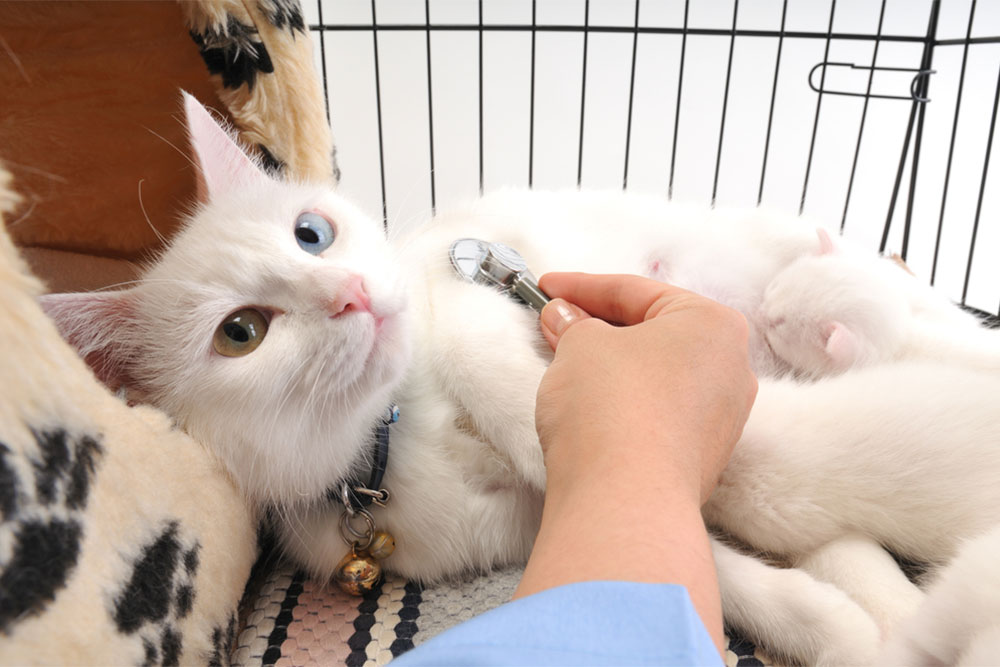
Diagnosis begins with a thorough exam and detailed history about timing, frequency, appearance of vomit, and any diet or behavior changes. We will tell you what we would do if your pet were our pet, and we’ll explain every step clearly so you feel confident in the plan. Baseline testing gives us the clearest picture:
- Comprehensive bloodwork to evaluate organ function and hydration.
- Urinalysis to check kidney health and screen for infection.
- Fecal testing to rule out parasites.
- Imaging such as radiographs or ultrasound to look for masses, obstructions, or organ changes.
Our cutting-edge, in-house technology allows us to run diagnostics and get results quickly, so we can move from questions to a clear plan as efficiently as possible. If your pet’s regular veterinarian is back home and you need records transferred, our team is happy to coordinate.
When Is a Food Elimination Trial the Next Step?
When initial tests don’t explain the vomiting, a structured diet trial is often the logical next move. The approach involves feeding only a prescribed diet with a novel protein your pet has never eaten or a hydrolyzed diet with proteins broken into fragments too small to trigger an immune reaction.
Strict compliance is essential: no treats, table scraps, flavored medications, or food sharing. For GI symptoms, 3 to 4 weeks is typical, though some pets need longer trials up to 12 weeks. Over-the-counter “limited ingredient” foods aren’t reliable for diagnostic trials due to potential cross-contamination. Our team can walk through choices, feeding routines, and how to handle multi-pet homes.
Hypoallergenic diets or prescription low-fat diets are also useful for IBD and pancreatitis. If vomiting improves during the trial and returns when old food is reintroduced, diet is likely the driver. If vomiting persists despite perfect compliance, it points us toward primary GI disease, systemic illness, or structural issues. Either way, the trial gives valuable information that narrows the next steps. You can always reach out with observations or concerns during the process.
When Are Biopsies Needed?
What Is Endoscopy?
Endoscopy is a minimally invasive procedure using a flexible camera to visualize the esophagus, stomach, and upper small intestine and collect tissue samples. It’s performed under anesthesia with typically quick recovery, and it’s considered when initial testing and diet trials haven’t solved the problem, imaging suggests mucosal disease, or there’s concern for inflammation, ulcers, or cancer. Endoscopic biopsies sample the surface lining, which is enough to diagnose many cases of IBD or lymphoma.
When Is Exploratory Surgery Recommended?
Sometimes exploratory surgery is the better option. A laparotomy allows direct visualization of organs, identification of masses or obstructions, and collection of full-thickness GI biopsy samples from multiple locations. Surgery is recommended when imaging suggests abnormalities needing hands-on evaluation, when tissue samples are needed from areas endoscopy can’t reach, or when full-thickness biopsies will provide more information than surface samples.
Biopsies distinguish between IBD, lymphoma, other cancers, infections, and different inflammatory patterns. Accurate diagnosis enables targeted treatment rather than guessing. Our services include comprehensive surgical care, and coordination with specialty referral networks for advanced diagnostics when needed.
What Do Treatment Plans Look Like?
For food-responsive vomiting: Stick to the confirmed safe diet long term, train family and friends on “no extras,” and schedule regular rechecks for weight and comfort.
For IBD and primary GI conditions: Treatment usually combines immunomodulating medications, diet adjustments, and probiotics for gut health, with antibiotics only when indicated. IBD often requires fine-tuning over time but is highly manageable with regular follow-ups. Our veterinary care team coordinates rechecks and supportive therapies to keep your pet comfortable.
For systemic and metabolic causes: Treating the underlying organ relieves vomiting. That might include hydration strategies and renal-friendly diets for kidney disease, anti-nausea medications, nutritional support for liver disorders, medication and monitoring for hyperthyroidism, or targeted pain control for pancreatitis.
Ongoing partnership through veterinary wellness care helps track trends and preserve quality of life, whether you’re here year-round or spending the season in Naples.
How Can You Help at Home During the Workup?
Your observations guide decisions every step of the way. Keep a daily symptom diary noting the time of vomiting, what was eaten, and any stressors. Photograph vomit so we can assess content and volume (your vet team has seen it all, we promise). Offer fresh water frequently, follow medication schedules closely, and separate feeding areas in multi-pet homes. If symptoms change, please contact us so we can adjust the plan.
FAQs About Chronic Vomiting
How do I know if vomiting is an emergency?
If your pet vomits blood, can’t keep water down, seems in pain, is lethargic, or has a bloated abdomen, seek care right away. Contact us so we can triage and guide next steps.
What’s the difference between vomiting and regurgitation?
Vomiting involves active abdominal contractions and brings up digested material. Regurgitation is passive and produces undigested food or fluid, often pointing to esophageal issues. The distinction matters because it changes the diagnostic approach.
Can food allergies develop suddenly?
Yes. Pets can develop sensitivities to proteins they’ve eaten for years. The immune system can change over time, which is why a diet trial may be recommended even when the food hasn’t changed.
How soon will a diet trial help?
Many pets show improvement within 2 to 4 weeks on a strict elimination diet. Some need longer. Patience and strict compliance are key.
Will my pet definitely need a biopsy?
Not always. Many cases resolve with baseline testing and diet changes. Biopsies are recommended when simpler steps haven’t provided answers or when we need to distinguish between conditions like IBD and lymphoma.
Ready to Find the Cause and Restore Comfort
Chronic vomiting is exhausting for you and uncomfortable for your pet, but there is a clear path forward. From exams and bloodwork to food trials and advanced procedures, each step is designed to reveal answers and guide targeted treatment. At The Animal Medical Hospital of Naples, we handle every pet with the tenderness and intelligence this community deserves. If your dog or cat has been vomiting for weeks, contact us to schedule a consultation and start the evaluation together.





Leave A Comment