
Breaking the Cycle: Managing Chronic Ear Infections in Dogs
You know the moment: your dog shakes their head violently, scratches at their ear, and lets out a whimper when you try to touch them. If you’ve dealt with ear infections that just keep coming back, you understand the frustration and heartache of watching your pet suffer. Why is it always happening? Often, these recurring flare-ups are tied to underlying issues like allergies, frequent swimming, or even the shape of your dog’s ear canal. Discovering and managing these root causes with consistent veterinary care, proper cleaning, and preventative steps is key to finally achieving long-term relief.
At The Animal Medical Hospital of Naples, “Empathy, Always” is more than our mission; it’s how we approach every ear infection, ache, and itch your pet experiences. As The Gentle Veterinarian, we take time to understand your dog’s discomfort, using advanced diagnostics and gentle handling to bring real relief. Our veterinary care services combine compassion with precision, helping you prevent future flare-ups and keep your pet comfortable year-round.
Understanding Chronic Ear Infections in Dogs
When ear infections return again and again, there’s almost always a deeper cause hiding beneath the surface. The outer ear’s natural microbiome usually keeps bacteria and yeast balanced, but factors like moisture, heat, and allergies can tip the scales, creating the perfect storm for infection.
Living in humid Florida means dogs are at higher risk, especially those who swim frequently or have floppy ears. We often find that consistent ear checks, along with routine cleanings and early intervention, make a world of difference in preventing recurring canine ear infections. Chronic ear infections are manageable with the right guidance and care.
Why Do Dog Ear Infections Keep Coming Back?
Once a dog develops chronic inflammation in their ears, the tissues can stay irritated long after an infection clears, making future flare-ups more likely. Common culprits include:
- Moisture and anatomy – Dogs who love water often trap moisture inside the ear canal, especially breeds with folded, floppy, or hairy ears.
- Environmental and food allergies – Dog allergies to pollen, dust, or certain proteins can cause persistent inflammation.
- Hidden debris or foreign material – Outdoor dogs can pick up foxtails, ticks, or other debris that irritate the canal.
- Endocrine disorders – Metabolic conditions like hypothyroidism or Cushing’s disease can make the skin oily and inflamed, creating an environment perfect for bacteria and yeast.
Because so many underlying issues can contribute, our doctors emphasize complete diagnostics, not just ear drops and hope. If your pet is struggling with repeat infections, schedule an appointment to start a personalized treatment plan.
Spotting the Signs of Complicated Canine Ear Issues
It’s not always easy to tell when an ear infection has gone from mild to serious. Some dogs seem fine one day and start scratching uncontrollably the next. Signs of advanced or chronic ear disease include:
- Persistent head shaking or pawing at the ear
- Redness, swelling, or dark waxy buildup
- A foul odor or discharge
- Sensitivity when touched
- Swelling caused by ear hematomas
If your dog’s ears look or smell unusual, or if symptoms return soon after treatment, it’s time for a thorough evaluation. Our team is skilled in identifying when infections are surface-level and when they go deeper, allowing us to treat effectively and gently.
Finding Answers for Stubborn Dog Ear Infections
The path to lasting relief starts with accurate diagnosis. We take a methodical, kind approach to find the cause and tailor treatment specifically for your dog.
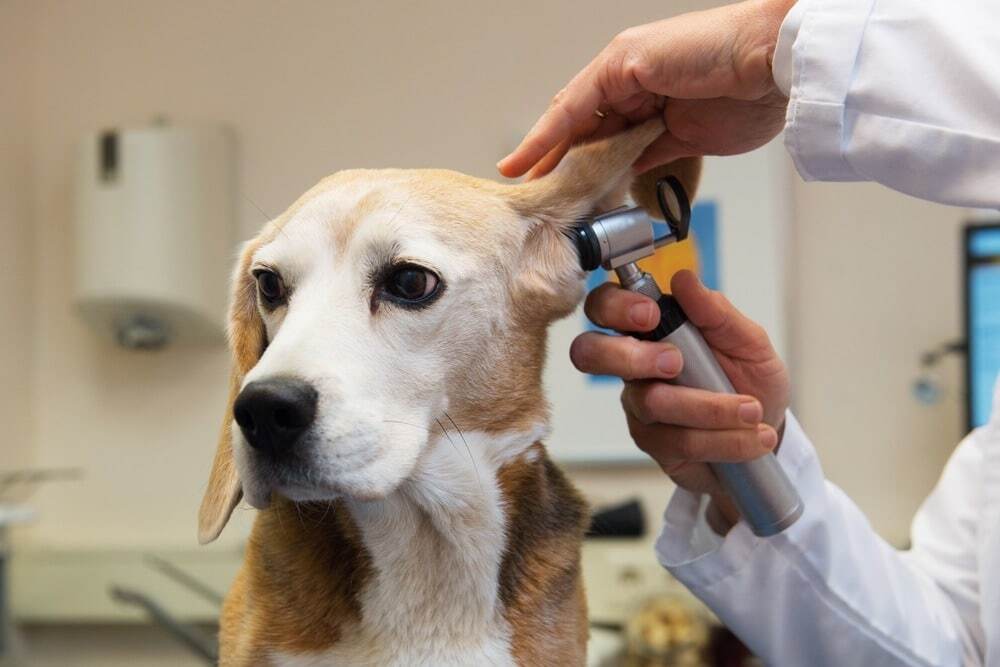
During an ear exam, our veterinarians inspect the canal with an otoscope to detect blockages, debris, or inflammation. We also examine the ear drum, or “tympanic membrane” to ensure it’s still intact and not ruptured from debris or chronic infection. Next, we perform ear cytology, a microscopic look at the cells and organisms inside the ear, to guide targeted treatment.
If infections keep recurring, we may recommend culture and sensitivity testing or bloodwork to rule out endocrine issues. When diet or food sensitivity is suspected, an elimination diet trial can help uncover hidden triggers. Our state-of-the-art services make each of these steps seamless, thorough, and minimally stressful for your pet.
A Step-by-Step Plan for Ending Chronic Dog Ear Infections
Breaking the canine ear infection cycle requires patience, persistence, and partnership. Here’s how we approach treatment at The Animal Medical Hospital of Naples:
Step One: Treating the Active Infection
Effective ear cleaning is the first step. We sometimes do this under light sedation to ease discomfort. Once clean, we apply medicated drops or prescribe oral medication depending on the infection’s cause. Our pain management therapies, including laser treatment, can help reduce inflammation and speed recovery while keeping your pet comfortable.
Step Two: Confirming Full Recovery
Even when ears look better, infection can persist deep within. We schedule rechecks to ensure the infection is fully resolved before stopping medication because ending treatment too soon can lead to relapse or even resistant bacterial populations.
Step Three: Solving the Underlying Problem
We look beyond the immediate infection to find what started it all. That might mean managing food allergies, allergy testing, hormone therapy for endocrine disease, or removing polyps that trap debris and bacteria. Our goal? Long-term comfort, not just quick relief.
Step Four: Exploring Advanced Treatment
In advanced cases where the ear canal is severely damaged, total ear canal ablation surgery may be recommended. Though it sounds intimidating, this procedure can drastically improve your dog’s quality of life, eliminating chronic pain and infection.
Our compassionate doctors walk you through every option, ensuring your pet’s dignity and comfort are always prioritized.
Preventing Future Canine Ear Infections
Prevention is truly the best medicine, especially under the Florida sun. Establishing an individualized ear care routine helps avoid recurring infections.
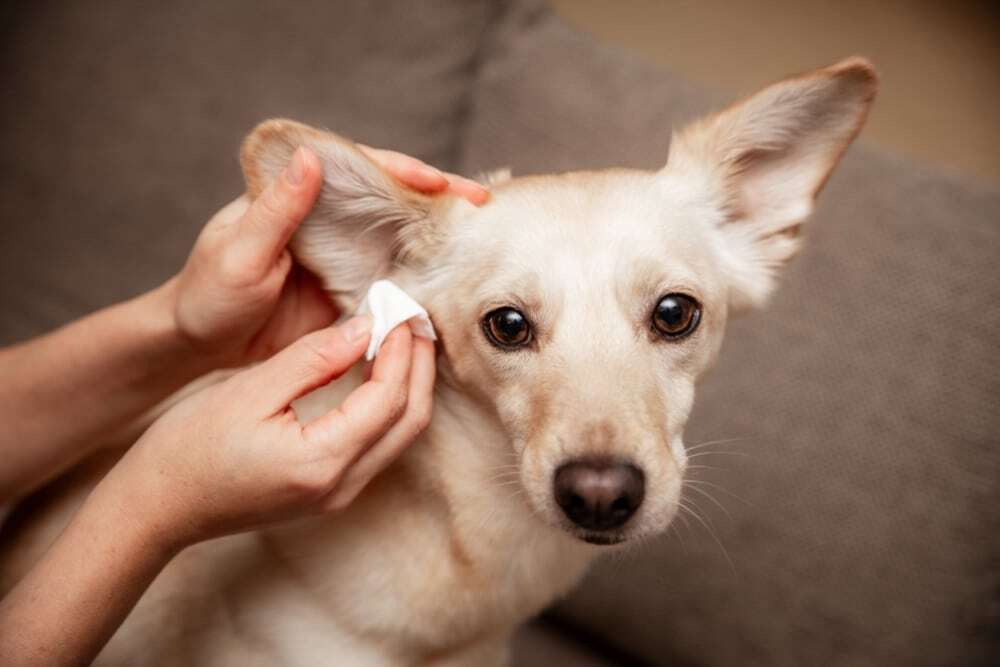
- Keep ears clean and dry, especially after swimming or bathing.
- Inspect weekly for redness, odor, or debris.
- Check outdoor explorers for foxtails or dirt.
- Support nutrition for skin health with high-quality diets and omega fatty acids.
- Maintain regular wellness exams to catch changes before they cause discomfort.
Our veterinarians can show you safe, gentle cleaning techniques and recommend the best cleaners and maintenance schedules based on your dog’s ear type and activity level.
Frequently Asked Questions About Chronic Dog Ear Infections
Q: My dog loves swimming. How can I prevent ear infections?
Use a gentle ear-drying solution after every swim and check for trapped moisture or wax. Ask us for recommendations!
Q: Can foxtails cause ear infections?
Absolutely. These tiny barbed seeds can lodge deep in the canal and should be removed by a veterinarian.
Q: Are allergies a factor?
Yes, allergies are one of the top causes of recurring infections. Addressing them can significantly reduce flare-ups.
Q: When is surgery needed?
When chronic inflammation or scarring prevents normal ear function, or if an ear hematoma occurs, surgical options may bring lasting relief.
Q: Can I clean my dog’s ears at home?
Yes, but always ask your vet which solution and schedule are right for your pet’s specific needs.
If you’re unsure or see signs of discomfort, contact our compassionate team for personalized guidance.
Your Partner in Lifelong Canine Ear Health
Recurrent ear infections can test any pet owner’s patience, but with a complete treatment plan and consistent prevention, most dogs can enjoy lasting relief. At The Animal Medical Hospital of Naples, we approach every case with empathy, precision, and a gentle touch, because your pet deserves comfort and care in equal measure.
Let’s stop the cycle together. Contact us or schedule an appointment today to help your dog feel better, hear clearer, and live happier.