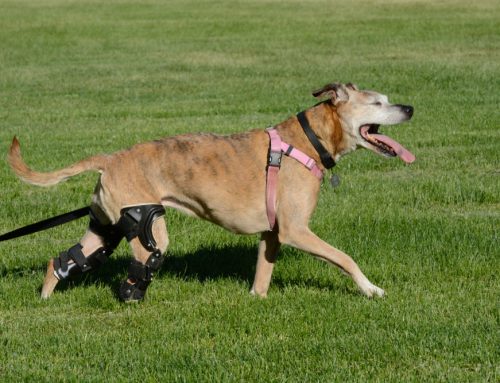


If the traction socks are on and the harness is fitted, and you are still wondering whether any of it is helping, watch what your senior pet chooses to do while wearing it. A mobility aid is working when your dog rises without a hand under the hips, finishes a walk they used to cut short, and takes the step into the yard instead of stopping at it. Cats answer more quietly, by returning to the bed, stepping into the litter box without hesitating, or reclaiming a favorite perch. A fit that has gone wrong announces itself too, in rubbed or thinning hair under the straps, red skin at the chest and armpits, or your pet sliding away when you reach for the gear. Both of those lists shift as your pet's strength does, which is why an aid that fit well a few months ago deserves a fresh look.
At The Animal Medical Hospital of Naples, we would rather see the equipment on your pet than guess from a description, so bring it along and let us watch your dog or cat move in it. We are attentive to the subtle signals that say your senior pet still hurts, and an exam tells us whether the arthritis underneath is well controlled. Pain medication and body weight are usually the first things to adjust, with laser therapy or platelet-rich plasma added when a joint calls for more, and digital X-ray when the back end needs a closer look. When the gear stops earning its keep or the skin beneath the straps looks irritated, give us a call and we will sort out whether the fit, the pain control, or the arthritis itself has changed.
Start Here: Mobility Gear for Senior Pets
- A senior pet who slows down is telling you something is wrong, and the answer is usually a treatable condition rather than plain old age.
- Aids follow the arc of decline: grip underfoot at the start, a lifting harness through the middle stretch, wheels once the rear legs retire.
- Whether arthritis, a disc, or a nerve condition is doing the driving decides how the plan needs to evolve over the next year.
- Equipment is only one layer of the plan; pain relief, a lean body weight, and rehabilitation each pull just as much weight.
Is My Dog Just Getting Old, or Is This Something We Can Fix?
Age isn't a diagnosis. The stiffness families read as ordinary aging is most often osteoarthritis in dogs and cats, a condition that responds to treatment rather than one a pet simply has to live with. Naming it is what changes the next twelve months.
Help that arrives while muscle and confidence are still intact prevents the falls and the lopsided compensating walk that accelerate everything else. Start after the struggle is obvious, and the rebuild begins from a lower floor.
That's why nothing gets bought before a full physical exam, where we watch your pet walk, turn, rise, and take a step up, then put hands on every joint to find what hurts. An X-ray of the hips or spine fills in the rest when the back end doesn't add up.
Which Senior Pets End Up Needing Mobility Help?
The pets who end up in gear are usually the ones carrying arthritic joints, a spinal cord problem, or a missing limb. Large-breed dogs, heavy pets, and anyone with a history of hip or knee trouble tend to get there sooner. Cats arrive at the same place, just more quietly.
Some of it shows up overnight. Intervertebral disc disease can turn a normal dog wobbly between breakfast and dinner, and the road back usually means weeks of walks with a harness carrying part of the load while the spinal cord settles. A few need wheels long term.
Other conditions announce themselves slowly. Degenerative myelopathy only ever moves forward, so the support has to keep pace: grip aids at the start, a harness as the middle months arrive, wheels once the rear legs go quiet. Arthritis is the one we see most, and it's the one where equipment only buys comfort at the edges while pain control and body weight do the real work on the joint itself.
How Does the Right Kind of Help Change as a Senior Pet Declines?
Mobility loss tends to move through recognizable stages, and the support that fits shifts along with it.
| Stage | What you tend to see | What usually helps |
| Early | Stiffness after naps, paws skating on hard floors, a slower climb | Grip aids, rugs and ramps, joint support |
| Moderate | Rising takes a boost, walks end early, the rear end sways | Lifting harness, pain control, rehabilitation |
| Advanced | Standing or pushing off with the back legs no longer works | Wheels, a full-body harness, close monitoring |
The rows aren't a schedule. A disc injury can send a dog from the first to the third in a single afternoon, while plenty of cats camp near the top for years; what the stages offer is a way to separate what your pet needs this week from what's worth planning toward.
What Helps When a Senior Dog Is Just Starting to Slip?
At this stage the legs still work, and what's missing is grip. Rubber toe grips fit over the nails and give tile and hardwood something to grab, and for many stiff seniors that alone ends the daily scramble to the water bowl. Most Naples houses are wall-to-wall tile, which is lovely right up until an aging dog's nails have nothing to catch.
Traction booties add grip on wet sidewalks and slick kitchen floors alike, though most pets need a few short, upbeat practice sessions before they will walk normally in them. Ramps at the couch and the car, rugs laid down the hallway, and raised food and water bowls are the arthritis-friendly home modifications that pull the most strain out of a senior dog's ordinary day.
Introduce the changes one at a time. A dog who comes home to a rearranged house often rejects the whole project, while that same ramp, brought in on its own, gets used by the weekend. The earliest signs usually turn up at routine wellness examinations before a family spots them at home, which is why senior visits stay on the calendar.
Why Do Senior Cats Hide This So Well?
Cats don't limp their way into the exam room; they edit their habits instead. A senior cat who stops jumping to the windowsill, takes the stairs one at a time, or starts sleeping in new spots on the floor is telling you something hurts, in the only way cats tend to say it.
Watch for the pause at the edge of the litter box, the hesitation before a jump that used to be automatic, and a coat gone dull or matted over the back and hips. That last one is the classic, because twisting around to groom back there has stopped being comfortable.
Those quiet shifts deserve a full veterinary workup, the same one a limping dog would get. A litter box with a lowered entry, a booster step below the favorite windowsill, and soft beds moved to ground level are the home modifications for cats that usually do the helping long before any device enters the picture. Harnesses and carts do exist for cats, and a handful need them. Most get further on a rearranged house.
Where Does a Support Harness Fit In?
The harness moment arrives when the back end has weakened while real strength remains. A rear-support harness supports the hips and gives you a handle to lift by, which turns stairs and the push up off the floor into something the two of you do together.
For a dog who's weak up front or missing a foreleg, front-support versions do the mirror-image job. And when more than one limb is fading, a full-body support harness steadies the whole frame at once rather than hoisting from a single point.
Two smaller tools belong here too. Knuckling socks protect the tops of the toes from scuffing and cue the foot to land the right way up, a small fix that matters once a rear paw starts dragging. Elastic support bands, running from the harness down to the back feet, guide foot placement while the muscle keeps doing its own work.
Fit beats brand every time. Something that rubs at the armpits or slides backward under the belly just stacks a new problem on top of the old one, and our veterinarians would rather adjust straps in the exam room than have you guess from a sizing chart at the kitchen table.
Can a Cart Really Give a Dog Their Freedom Back?
Mobility carts for dogs carry the weight the rear legs can no longer hold, and most pets are back to sniffing the yard and keeping up with the family within a week or two of short, encouraging sessions.
A cart is neither a surrender nor a wheelchair your dog lives in. It comes out for walks, yard time, and the parts of the day worth being present for, then it comes off. Careful measurement matters, because a frame sitting wrong can rub sores into skin that can't feel the pressure. Early sessions stay short and end while your dog is still enjoying them. A dog whose back legs have failed can also lose reliable bladder control, so ask us to check that the bladder is emptying fully and to show you how to keep the skin underneath clean and dry. Plenty of senior dogs go on to spend several good years on wheels.
What Else Belongs in a Senior Mobility Plan?
Gear handles the mechanics. The rest of the plan handles everything gear can't reach. Targeted exercise is what protects the muscle a senior pet still has, and veterinary physical rehabilitation builds strength and balance in a way no harness or cart can do on its own. A pet in pain is one who doesn’t want to move, so good pain management is a key part of every senior plan.
| Layer of the plan | What it does |
| Pain medication | Anti-inflammatories and other pain relievers matched to the underlying cause, so moving stops hurting |
| Monthly injections | Monoclonal antibody shots given once a month, with separate versions for dogs and for cats, aimed squarely at arthritis pain |
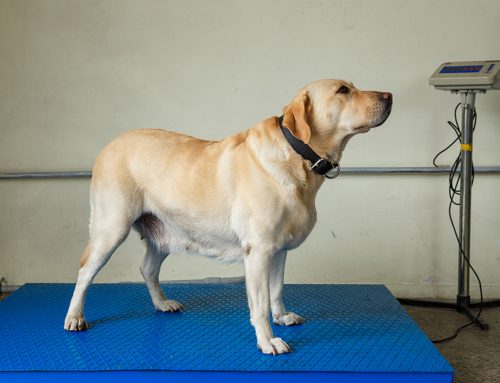
| Weight management | Takes load off every joint at once, and often does more than any product on this page |
| Joint supplements and omega fatty acids | Support cartilage and turn down inflammation where they suit the case |
Laser therapy suits arthritic joints and disc pain, especially a stiff senior who has had enough of being handled. Never reach for human pain relievers to bridge a rough week. Ibuprofen, naproxen, and acetaminophen are dangerous for dogs and cats even in small doses, and they limit what we can safely prescribe afterward. Because a senior pet's needs shift over months rather than years, regular rechecks keep the plan a step ahead of the next stage instead of a step behind it.
Senior Mobility Aids: The Questions We Hear Most
Will a Support Harness Make My Dog's Muscles Weaker?
Not when it's used as designed. The harness exists for the moments that have become too hard, while everything your dog can still do stays theirs to do. Take the weight during the rise, the stairs, and the slick stretch of hallway, then let your dog carry themselves for the rest. Weakness creeps in when the handle gets used constantly, even for a dog who could still manage on their own, so the goal is always the smallest amount of help that keeps things safe.
How Do I Know If the Harness Actually Fits?
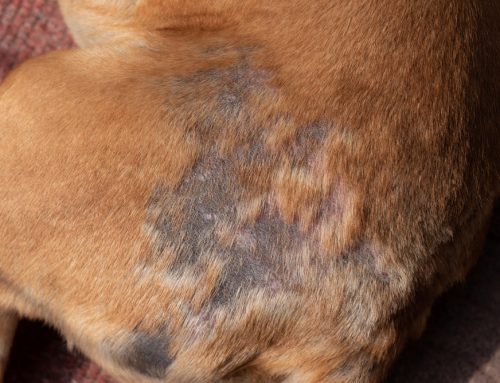
You should be able to slide two fingers under every strap without forcing them. Your dog's gait shouldn't change when the harness goes on, and nothing should shift backward under the belly when you lift. After a week of use, look for redness or thinning hair where the straps sit. Muscle and body weight both change through a senior year, so a fit that was right in spring may need adjusting by fall.
My Cat Won't Tolerate Anything Strapped On. Is There Another Option?
Most senior cats never need to wear anything. Lowering the litter box entry, adding a step to a favorite perch, moving food and water to easy ground-level spots, and treating the arthritis underneath will carry a cat a long way. If a device really is called for, we start with brief sessions, good treats, and a slow build rather than one long fight. Comfort and pain control usually do more for a cat's movement than equipment does.
Our Door Is Open When Your Senior Pet Starts Slowing Down
Slower doesn't have to mean sidelined. Matching the aid to the stage, and pairing it with steady pain control, sensible weight management, and the exercise that keeps muscle on the frame, holds most dogs and cats in the middle of family life far longer than families expect.
If the tile has turned treacherous under your dog, or the windowsill has quietly gone unvisited, bring them to The Animal Medical Hospital of Naples for senior mobility care, and we’ll make a plan together to keep them moving.