


Diagnosing IMHA and ITP begins with bloodwork read in a deliberate order, because the same sample that reveals the disease also has to rule out its imitators. A complete blood count (CBC) shows whether red blood cells are being destroyed, which points toward IMHA, immune-mediated hemolytic anemia, or whether the platelets that control clotting have collapsed, which points toward ITP, immune-mediated thrombocytopenia. A Coomb’s test and other follow-up testing helps confirm the destruction is truly immune-driven rather than something else. Just as important, the workup searches for tick-borne infection or hidden cancer first, since either can produce the same picture and completely change the plan.
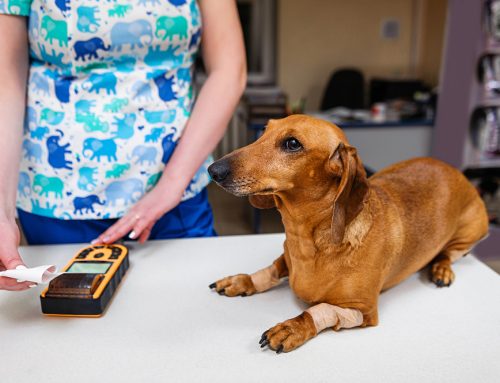
At The Animal Medical Hospital of Naples, we sit down with you and explain potentially frightening lab results with detail and care, making sure all your questions are answered. Our in-house lab means the CBC and bloodwork that first flag a blood disease come back to us directly, and we read those numbers with you, showing what a falling red cell or platelet count points to before we settle on a plan. We take the time to look for what is really driving the results, the kind of unhurried, honest veterinary care we are known for. If your pet’s bloodwork has you worried, schedule a visit and we will go through it together.
Start Here: IMHA and ITP Basics
- IMHA destroys red blood cells and starves organs of oxygen, while ITP destroys platelets and lets bleeding start without any injury, and both can turn life-threatening in a matter of days.
- Pale or yellow gums, sudden fatigue, dark urine, unexplained bruising, and pinpoint spots on the belly are the early flags that should prompt a same-day call.
- Tick-borne infections and hidden cancers can either trigger or perfectly mimic these diseases, so a thorough workup rules them out before anyone settles on a diagnosis.
- Early recognition is the single biggest factor in a good outcome, and most pets who are caught and treated promptly have a genuine chance at recovery.
Why Would My Pet’s Immune System Attack Their Own Blood Cells?
Immune-mediated diseases begin when the immune system, built to hunt bacteria and viruses, turns that same machinery on the body’s own red blood cells or platelets and tags them for destruction as if they were invaders.
Vets sort these cases into two groups, and the distinction shapes everything that follows. In primary IMHA and ITP, no underlying cause is found and treatment focuses on calming the overactive immune response directly. In secondary cases, something else lit the fuse, and that trigger has to be found and treated alongside the immune suppression. Miss the trigger, and the disease keeps relapsing.
Both are far more common in dogs than in cats. When a cat does turn up with red cell destruction, it is much more often secondary to an infection or another illness, so the search for an underlying cause carries even more weight.
What Does the Bloodwork Actually Show?
Diagnosis moves in a logical order, starting with your pet’s history and a hands-on exam, then building outward with bloodwork that both confirms the disease and hunts for what might be behind it.
Alongside the bloodwork, the history and exam point the search in the right direction from minute one: recent tick exposure, travel, medications, gum color, and any bruising. Screening for tick-borne infection and imaging to look for a hidden tumor rule out the mimics and triggers that would change the plan entirely.
The CBC gives us two numbers that matter most: how many red blood cells are left, and how many platelets. From there, a few follow-up findings separate immune destruction from every other reason those numbers can fall, and most of that work happens by looking at the blood itself under a microscope.
Here is what each piece tells us, in the order we usually look at it:
- The red cell count. Often reported as packed cell volume, this is the percentage of the blood made up of red cells. A number that has dropped sharply in a pet who was normal weeks ago means cells are being destroyed, not slowly declining.
- The reticulocyte count. Reticulocytes are young red cells the marrow releases to replace losses. A high count means the marrow is working hard, which fits destruction. A low count in a badly anemic pet points somewhere else entirely, like marrow disease, and changes the whole investigation.
- The blood smear. A drop of blood on a slide shows what a machine misses. In dogs with IMHA we look for spherocytes, red cells that have lost their dished center and look small and uniformly dark, a strong fingerprint of immune attack. We also watch for autoagglutination, where cells visibly clump instead of spreading evenly, which is close to diagnostic on its own.
- The platelet count, confirmed by eye. Platelets clump in a collected sample and can read falsely low on a machine, particularly in cats, so a smear confirms whether the number is real. When platelets are genuinely low enough for a pet to bleed without injury, immune destruction and tick-borne infection sit at the top of a short list.
- The Coombs test. This looks for antibody stuck to the surface of red blood cells and supports an immune-driven diagnosis rather than making it alone.
- The chemistry panel. Bilirubin, a yellow pigment released as red cells break down, is part of what turns gums yellow, and the panel shows how the liver and kidneys are handling the strain.
None of these numbers stands alone. What we’re really doing is building a picture, which is why we go through the results with you rather than handing over a printout.
What Is IMHA, and Which Signs Should I Watch For?
Immune-mediated hemolytic anemia sets in when red blood cells are destroyed faster than the body can rebuild them, and the falling cell count steadily starves organs of oxygen. The signs can creep in over days or crash in over hours.
Early on, the changes are quiet. A dog who used to bolt up the stairs takes them slowly. A cat sleeps more and eats less. Pale or jaundiced gums are one of the clearest signals, since healthy gums should look bubble-gum pink. Watch for these warning signs:
- Unusual fatigue: Reluctance to walk, play, or climb stairs that used to be easy.
- Faster resting breathing: Quick, shallow breaths while your pet is lying still and calm.
- Pale or yellow gums: Gums that look white, grayish, or tinged yellow instead of pink.
- Dark or discolored urine: Urine the color of tea or cola as destroyed cells are cleared.
- Appetite loss: Turning away from food, sometimes with vomiting or a hunched posture.
Cocker Spaniels carry a well-documented breed predisposition, along with Springer Spaniels and Poodles, so those households should treat sudden lethargy or pale gums as a reason to be seen quickly.
Not every case is primary. The main triggers behind secondary IMHA:
- Tick-borne and bacterial infections: Several tick diseases set off red cell destruction, and leptospirosis, a bacterial infection pets pick up from standing water and wet soil, has to be treated in its own right.
- Infections in cats: Hemotropic mycoplasma attaches to red cells, and feline leukemia virus is another recognized driver of feline anemia.
- Cancers: Lymphoma can provoke the immune system into attacking red cells, and hemangiosarcoma is another hidden malignancy that sometimes surfaces this way.
- Toxins, drugs, and bites: A swallowed coin or other zinc object can destroy red cells outright, and certain medications and venomous bites trigger the same destruction.
Why Is IMHA So Dangerous Even After Treatment Starts?
IMHA stays dangerous after treatment begins because of a cruel paradox: while red blood cells are being destroyed, the clotting system runs in the wrong direction, and the blood clotting complications that follow are among the leading causes of death in these patients.
That’s why IMHA so often means hospitalization and close monitoring rather than a prescription and a trip home. A clot can lodge in the lungs, and the signs come on fast. Call us right away and bring your pet straight in if you notice any of the following:
- Sudden difficult breathing: Fast, labored, or open-mouth breathing that appears out of nowhere.
- A cold or painful limb: A leg that suddenly seems weak, dragging, or painful to the touch.
- Collapse or crying out: Abrupt weakness, wobbliness, or a sudden yelp with no clear cause.
What Is ITP, and How Is It Different From IMHA?
Immune-mediated thrombocytopenia destroys the platelets that let blood clot, so bleeding can start with no injury at all and internal blood loss can be serious even when the outward signs look minor. Where IMHA is about oxygen, ITP is about bleeding, and the two look nothing alike at the gumline.
Platelets are the tiny plugs that seal off everyday nicks and scrapes before you ever notice them. The visible clues:
- Pinpoint spots (petechiae): Tiny red or purple dots on the belly, gums, or inside the ears.
- Unexplained bruising: Patches of bruising with no bump or injury to explain them.
- Spontaneous nosebleeds: Bleeding from the nose without any trauma.
- Blood in urine or stool: Pink or red urine, or dark, tarry stool.
- Wounds that bleed too long: A small cut or a torn nail that keeps oozing.
Like IMHA, ITP is often secondary to something else. Heartworm disease, carried by a single mosquito bite, can drive secondary platelet destruction, which is one more reason year-round prevention matters well beyond the heart in a place like Naples. Distemper is another trigger, and it’s preventable with core vaccinations. Tick-borne infections, leptospirosis, certain cancers, and some medications round out the list. There’s a rare association with recent vaccination, but the risk is small and the protection vaccines provide against deadly disease far outweighs it.
Can My Pet Have Both Diseases at Once?
Some pets do face both attacks at the same time. Evans syndrome describes concurrent immune-mediated conditions in which red blood cells and platelets are destroyed together, and treatment has to calm both fronts at once. These cases need intensive monitoring and frequent medication adjustments, because a change that helps one problem can shift the balance of the other.
How Do Ticks Fit Into All of This?
Around Naples, with no cold season to slow them down, ticks stay active year-round, and that matters because several tick-borne infections can either trigger these blood diseases or mimic them so closely that treating for primary disease alone leads to relapse.
The link runs through a handful of specific organisms:
- Anaplasma and Ehrlichia: Ehrlichia and anaplasma both attack blood cells directly and are frequent culprits behind low platelet counts.
- Rocky Mountain spotted fever: Damages small blood vessels and drops platelet numbers.
- Babesia: This parasite, seen more often in Pit Bulls and Greyhounds and able to pass dog to dog through bite wounds, drives the very red cell destruction that looks identical to primary IMHA.
- Lyme disease: Less directly tied to these blood changes, but worth screening for alongside them, since a positive result reshapes the picture.
Because of this overlap, tick-borne disease screening is a standard part of how we work up a blood disorder, not an optional add-on.
What Does Treatment Actually Involve?
Immune-mediated disease treatment then runs on two tracks at once: calming the immune system so it stops attacking, and supporting the body while blood counts slowly climb back. No two patients follow the identical path, which is why our veterinarians adjust the plan continuously based on how each pet responds.
| IMHA | ITP | |
| What’s destroyed | Red blood cells | Platelets |
| What you see | Pale or yellow gums, weakness, dark urine | Bruising, pinpoint spots, nosebleeds, bloody stool |
| Main danger | Oxygen starvation, plus dangerous blood clots | Bleeding that won’t stop, including internally |
| First-line treatment | Corticosteroids, often with a second immune-suppressing drug | Corticosteroids, often with vincristine to push platelets out of the marrow |
| Added support | Transfusion and blood thinners for high-risk patients | Transfusion for severe blood loss, splenectomy for resistant cases |
When an infection turns out to be the trigger, the specific antimicrobial that clears it runs alongside everything else. Supportive care, recheck bloodwork, and close follow-up are all part of the services we provide, and when a case needs a specialist’s hands, we say so early and help you get there. We’ll also be honest with you about how your pet is responding. Most pets caught early do well, but not every patient recovers, and if we reach that point we will talk it through with the same care we brought to the diagnosis.

What Should I Expect While My Pet Is on Steroids?
The medication that saves these patients also changes them for a while, and knowing that in advance spares families a lot of worry. High-dose corticosteroids typically bring heavy panting, a big jump in thirst and urination, a ravenous appetite, muscle loss over the back and hips, and a pet who seems restless or not quite themselves. Accidents in the house are common on these doses and are not a training problem.
These effects ease as the dose comes down, and the dose comes down as soon as the blood counts allow. More importantly, never stop or reduce steroids on your own, no matter how uncomfortable the side effects look. Stopping abruptly can trigger a relapse and can cause a serious problem of its own, because the body’s own steroid production has been suppressed. If the side effects are hard to live with, call us and we’ll adjust the plan rather than have you guess.
Can Tick Prevention Really Lower the Risk?
Year-round tick prevention really does lower the risk of a secondary blood disorder, because it cuts off the tick-borne infections that trigger so many of them. Running your hands over your pet after time outside and pulling off any tick you find works alongside the monthly product rather than in place of it.
Consistency is the whole game, since a missed month or two creates exactly the exposure window a tick needs. Prescription products are also far more reliable than most over-the-counter options, which is why we talk through year-round parasite prevention and help match the right product to your pet’s lifestyle.
When Does This Become an Emergency?
A handful of signs mean your pet needs to be seen the same day, not tomorrow, because both diseases can move from subtle to critical in hours. Sudden weakness or collapse, gums that look white or yellow, unexplained bruising or pinpoint spots, dark or blood-tinged urine, and a pet who is hard to rouse or has stopped eating all belong in that category. So does any sudden change in breathing, since open-mouth breathing and labored breathing at rest can signal either severe anemia or a clot.
When any of these show up, call ahead if you can and come straight in for a same-day evaluation during our hours. After we’ve closed, call our emergency line and we’ll give you guidance or head to the nearest veterinary ER.
Questions We Hear Most About IMHA and ITP
Is IMHA or ITP contagious to my other pets or my family?
The immune diseases themselves aren’t contagious, so a dog with primary IMHA poses no risk to the cat on the couch or to the people in the house. The wrinkle is that some secondary cases are driven by infections. Babesia can pass between dogs through bite wounds, and leptospirosis can spread through infected urine, including to humans in rare cases. That’s one more reason we work hard to identify any infectious trigger.
Will my pet need medication for the rest of their life?
Many pets won’t need lifelong medication. The goal is to bring the immune attack under control, then taper the medication slowly over weeks to months while watching the blood counts hold steady. Some pets come off treatment entirely and stay in remission. Others need a low maintenance dose long-term, and a few relapse and require adjustments. We recheck bloodwork on a schedule and change the plan based on what the numbers show rather than a fixed calendar.
We head north for the summer. How does that work with a pet on treatment?
This comes up often here, and it’s very workable with a little planning. These diseases need recheck bloodwork on a schedule and a medication taper that responds to the numbers, so the key is making sure whoever sees your pet up north has the full picture. We collaborate with primary veterinarians for seasonal families all the time, sending records, lab trends, and the reasoning behind the current dose so nobody restarts from scratch. Tell us your travel dates early and we’ll build the recheck schedule around them.
My pet seems fine now. Could this still be starting?
These diseases can absolutely be starting while a pet still seems fine. They often begin quietly, with nothing more than a little extra sleeping or a slightly reduced appetite, before the gums pale or the bruising appears. Catching that shift early, and getting a CBC to see what the blood is doing, gives us the best chance to step in before a pet reaches a crisis. If something feels off, it’s always worth a call.
Acting Fast When Your Pet’s Bloodwork Looks Wrong
The reassuring truth about IMHA and ITP is that fast, accurate diagnosis gives most pets a real chance at recovery, and the difference usually comes down to catching the early signs and acting on them. If your pet’s gums look pale, if bruising appears from nowhere, or if the energy has drained out of a normally bright companion, don’t wait it out. Reach out to The Animal Medical Hospital of Naples and we’ll read the numbers with you and work out the next step together.


Leave A Comment